
Introduction to Sexual Health
Sexual health plays a crucial role in the overall well-being of individuals, encompassing a wide range of physical, psychological, and emotional factors. It is defined by the World Health Organization (WHO) as a state of physical, emotional, mental, and social well-being in relation to sexuality. This complex interplay of elements underscores the significance of understanding sexual health as an integral part of holistic health care. Proper sexual health not only enhances the quality of life but also influences personal relationships and overall happiness.
At its core, sexual health involves more than just the absence of diseases or dysfunctions. It includes a positive approach to sexuality and sexual relationships, characterized by respectful and consensual interactions. Individuals must be informed about their sexual rights, which encompass the ability to make informed decisions about sexual activity, access to adequate information and services, and the capability to express their sexuality without discrimination.
There are several common sexual health issues that affect both men and women, ranging from psychological concerns to physiological challenges. For men, erectile dysfunction and premature ejaculation are prevalent issues that can lead to diminished self-esteem and relationship difficulties. Women may experience conditions such as infertility or sexual pain disorders, which can significantly impact their physical and mental health. Addressing these issues through appropriate medical and therapeutic means is vital for restoring sexual function and enhancing intimate relationships. Ultimately, a well-rounded understanding of sexual health fosters a positive and fulfilling sexual life for every individual, reinforcing the need for both preventative and reactive health care interventions.
Understanding Ayurveda
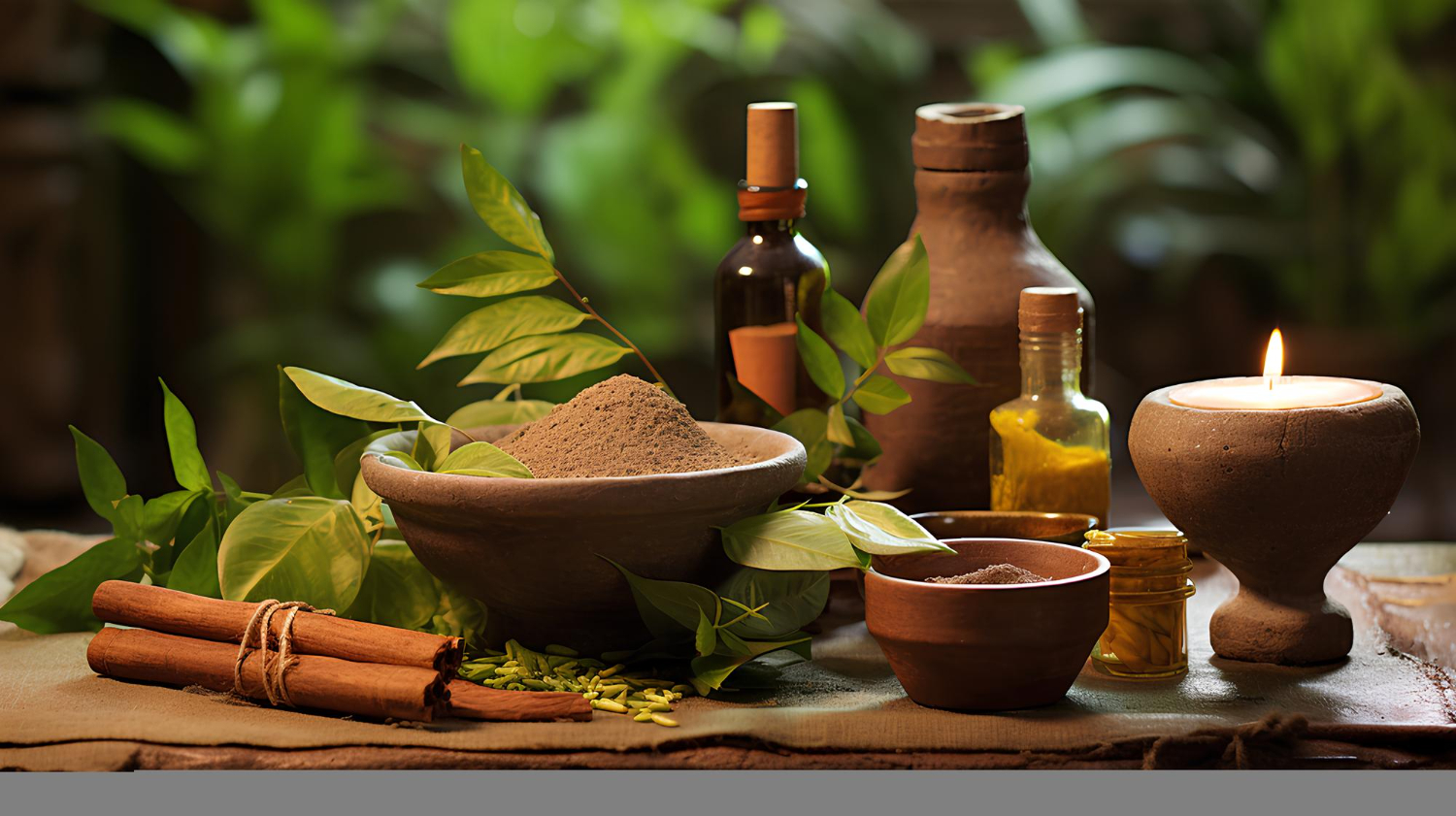
Ayurveda, an ancient holistic healing tradition originating from India, emphasizes the importance of achieving balance within the body and mind for optimal health and well-being. Central to Ayurvedic philosophy is the concept of doshas, which are the three primary energies believed to govern physiological and psychological processes: Vata (air and space), Pitta (fire and water), and Kapha (earth and water). Each individual possesses a unique combination of these doshas, which influences their physical health, mental state, and even sexual vitality.
In contrast to modern medicine, which often focuses on the treatment of specific symptoms or diseases, Ayurveda adopts a more comprehensive approach to health. This system prioritizes personalized treatment plans based on an individual’s constitution and imbalances. By recognizing that each person has distinct needs, Ayurveda employs diverse methods aimed at restoring harmony within the body. Such methods include herbal remedies crafted from natural ingredients, dietary recommendations tailored to enhance digestion and nutrient absorption, and lifestyle modifications designed to promote overall wellness.
A notable aspect of Ayurveda’s approach to sexual health involves the use of detoxification techniques, such as Panchakarma, which helps eliminate toxins accumulated in the body. This purification process not only revitalizes the body but also enhances reproductive health. Furthermore, Ayurvedic practices advocate for a diet that nurtures both physical strength and emotional stability, emphasizing foods that are rich in nutrients and harmonize with an individual’s doshic imbalance.
By integrating these holistic principles, Ayurveda aims to optimize sexual health and overall vitality. Emphasizing natural therapies and self-care, this ancient practice encourages individuals to cultivate awareness of their bodies and adapt to their unique physical and emotional needs. Thus, Ayurveda presents a distinctive perspective on health, promoting a harmonious balance essential for sexual wellness.
Overview of Modern Medicine
Modern medicine, often referred to as allopathic medicine, is characterized by its reliance on scientific principles and empirical evidence. This approach is grounded in rigorous research, clinical trials, and peer-reviewed studies, which collectively contribute to its credibility and efficacy in treating a wide range of health conditions. The philosophy behind modern medicine is primarily based on understanding the biological and physiological processes that govern human health, allowing for targeted interventions aimed at specific ailments.
When it comes to sexual health, modern medicine addresses various issues such as erectile dysfunction, premature ejaculation, and infertility through a combination of medications, surgeries, and lifestyle modifications. For erectile dysfunction, for instance, common treatments include phosphodiesterase type 5 inhibitors (such as Viagra and Cialis), which work by improving blood flow to the penis. While these medications can be effective, they are often accompanied by potential side effects such as headaches, flushing, and gastrointestinal disturbances.
In cases of premature ejaculation, modern medicine may prescribe selective serotonin reuptake inhibitors (SSRIs) or topical anesthetics to prolong sexual performance. Similar to other treatments, these medications may have side effects, including nausea and changes in mood. Infertility, another significant concern in sexual health, can be managed through a range of interventions, from hormonal therapies to assisted reproductive technologies like in-vitro fertilization (IVF).
Overall, modern medicine’s interventions are designed to alleviate symptoms and enhance sexual function through a well-structured methodology. While effective, it is essential for individuals to discuss potential risks and benefits with healthcare professionals to make informed decisions regarding their sexual health. The systematic, scientific approach of modern medicine offers a comprehensive framework for treating sexual health issues, ensuring that patients receive tailored and evidence-based care.
Comparative Analysis of Treatments for Erectile Dysfunction
Erectile dysfunction (ED) remains a pervasive issue affecting men’s sexual health, and various treatment modalities exist within both Ayurvedic and modern medicine. Understanding the differences between these approaches is essential for making informed healthcare decisions. Ayurvedic medicine, a traditional healing system from India, emphasizes natural remedies and holistic practices. Notable Ayurvedic herbs such as Ashwagandha, Ginseng, and Shatavari are recognized for their aphrodisiac properties, contributing to improved erectile function. These herbs aim to enhance stamina and reduce stress, factors often linked to erectile difficulties.
Contrastingly, modern medicine primarily relies on phosphodiesterase type 5 inhibitors (PDE5i), including Viagra, Cialis, and Levitra. These allopathic medications work by increasing blood flow to the penis, often providing prompt relief from erectile dysfunction. The effectiveness of PDE5 inhibitors can be nearly immediate, with patients often noticing results within 30 minutes to an hour. However, they usually require sexual stimulation to work and their effects can last from a few hours up to a day, depending on the specific medication.
While Ayurvedic treatments offer a comprehensive and non-invasive approach, they inherently require longer duration for effectiveness, often taking several weeks to months before noticeable improvements occur. This slow onset can be seen as a drawback when immediate results are desired. Additionally, modern treatments may exhibit side effects such as headaches, flushing, or dyspepsia, which could deter some patients from ongoing usage. Ayurvedic remedies, on the other hand, are generally associated with fewer adverse effects, but their efficacy often varies on an individual basis, as personal constitution and underlying health conditions play significant roles in treatment success.
In conclusion, both Ayurveda and modern medicine present viable options for managing erectile dysfunction. The choice of treatment depends on individual preferences, desired outcomes, and consideration of side effects, highlighting the importance of personalized healthcare in addressing sexual health concerns.
Exploring Solutions for Premature Ejaculation
Premature ejaculation (PE) is a common issue that affects many men, leading to distress and affecting intimate relationships. Both Ayurveda and modern medicine offer diverse approaches for managing this condition, each emphasizing different aspects of treatment.
In Ayurveda, premature ejaculation is often viewed as a result of an imbalance in the body’s doshas, particularly Vata and Pitta. Ayurvedic practitioners focus on holistic methods to restore balance through lifestyle changes, dietary modifications, and herbal remedies. Techniques such as meditation and yoga play a significant role in alleviating anxiety and enhancing self-awareness, which can significantly impact sexual performance. Herbal formulations, including ashwagandha and safed musli, are commonly recommended to promote vitality and endurance. These remedies have the potential to address the root causes of PE by promoting overall well-being and reducing stress, which is often a significant contributing factor.
On the contrary, modern medicine typically employs pharmacological interventions and behavioral therapies to treat premature ejaculation. Common pharmacological treatments include selective serotonin reuptake inhibitors (SSRIs) and topical anesthetics, which help manage ejaculation timing. These medications treat the symptoms effectively but may not address underlying psychological factors. Behavioral therapies, such as the stop-start technique and pelvic floor exercises, actively engage patients in redefining their sexual experiences and can lead to improved control over ejaculation.
While both Ayurveda and modern medicine provide effective solutions for premature ejaculation, they differ markedly in their approaches. Ayurvedic methods focus on holistic treatment and long-term health, promoting psychological well-being alongside physical remedies. In contrast, modern medical interventions often prioritize immediate symptom relief. Ultimately, individuals may benefit from a comprehensive approach that incorporates the strengths of both modalities, aligning with their personal health philosophies and treatment preferences.
Infertility and Treatment Approaches
Infertility remains a significant concern globally, affecting numerous couples seeking to conceive. The treatment for infertility is vast, with various methodologies employed in both Ayurvedic and modern medical practices. Each of these approaches offers unique solutions, tailored to different aspects of reproductive health.
Ayurveda, an ancient system of medicine that originated in India, emphasizes the holistic balance of the body, mind, and spirit. Its approach to infertility involves a combination of herbal remedies, dietary modifications, and personalized lifestyle recommendations. Ayurvedic practitioners believe that infertility often results from imbalances in the body, particularly within the doshas, or fundamental energies. By restoring balance through specific treatments such as Ashwagandha and Shatavari, Ayurveda aims not only to enhance reproductive health but also to improve overall well-being.
In addition to herbal remedies, Ayurveda promotes lifestyle changes that include yoga, meditation, and a diet rich in whole foods. Such adjustments are believed to improve fertility by reducing stress, enhancing physical health, and promoting emotional balance. The approach encourages patience and a natural course of healing, prioritizing a woman’s physiological cycle in its treatments, which can resonate well with those seeking a natural remedy for infertility.
Conversely, modern medicine predominantly relies on scientifically-based techniques and technologies, such as Assisted Reproductive Technologies (ART) and hormonal treatments. ART includes methods like in vitro fertilization (IVF), which has revolutionized fertility treatments worldwide. While these methods can be highly effective, they often come with a set of challenges, including financial burdens, emotional strain, and potential health risks associated with hormonal therapies.
Both approaches have their benefits and limitations. Ayurvedic treatments promote overall well-being and long-term improvement in lifestyle habits, which can positively influence fertility. However, modern medicine may offer quicker solutions through advanced technologies. Couples often face a choice between these avenues, and understanding the implications of each can guide them towards a more informed decision regarding their reproductive health.
Benefits of Natural Remedies
Natural remedies offered by Ayurveda have gained attention for their potential benefits regarding sexual health, particularly when contrasted with synthetic pharmaceuticals used in modern medicine. One of the primary advantages is the holistic approach that Ayurveda employs. It recognizes that sexual health is connected to physical, emotional, and mental well-being. This comprehensive perspective enables practitioners to tailor treatments that address underlying issues, rather than merely alleviating symptoms. By focusing on the individual as a whole, Ayurveda aims to restore balance within the body, which is often essential for optimal sexual function.
Furthermore, natural remedies are typically associated with fewer side effects compared to their synthetic counterparts. Pharmaceutical drugs frequently come with a range of adverse effects, some of which can negatively impact overall health and wellbeing. In contrast, Ayurvedic treatments, composed of natural herbs and compounds, often exhibit milder interactions with the body. As a result, individuals may find that they can pursue solutions for sexual health that do not adversely affect other aspects of their health.
In addition to utilizing natural remedies, Ayurveda emphasizes the importance of lifestyle changes and preventive care. Recognizing that sexual health can be influenced by various lifestyle factors, such as diet, exercise, and stress levels, Ayurvedic practitioners often recommend modifications to support overall well-being. These lifestyle adjustments can enhance vitality, improve circulation, and reduce anxiety — factors essential for a satisfying sexual experience. By proactively addressing the root causes of sexual health issues, Ayurvedic practice provides individuals with the tools to maintain their sexual health proactively. As such, individuals seeking to enhance their sexual health may find value in exploring the benefits of Ayurvedic natural remedies in their journey toward well-being.
Integrating Ayurveda and Modern Medicine
In the quest for optimal sexual health, the integration of Ayurveda and modern medicine has emerged as a promising approach. These two systems may appear disparate at first glance, yet they can complement each other in ways that enhance overall well-being. Ayurveda, with its holistic perspective, emphasizes the balance of body, mind, and spirit. On the other hand, modern medicine offers precision and scientific rigor in diagnosing and treating specific conditions. By bringing these two modalities together, individuals can achieve a more comprehensive treatment plan for sexual health issues.
A key benefit of integration lies in the balanced approach it promotes. Recognizing the strengths of both Ayurveda and modern medicine allows practitioners to address sexual health issues more effectively. For instance, while modern medicine can provide targeted treatments—such as hormone therapy or medications—Ayurveda can offer supportive measures through dietary changes, herbal remedies, and lifestyle modifications. This synergy can lead to improved outcomes, fostering a sense of well-being that addresses not just the symptoms but also the underlying causes of sexual health concerns.
The collaboration between healthcare practitioners from both backgrounds is essential for successful integration. By fostering an open dialogue between Ayurvedic practitioners and modern medical professionals, patients can benefit from a well-rounded treatment strategy that incorporates the best practices of both worlds. This teamwork encourages a patient-centered approach, allowing individuals to play an active role in their health journey. By understanding the potential interactions and contraindications between treatments from both systems, individuals can navigate their options with greater confidence.
Ultimately, integrating Ayurvedic practices with modern medical approaches provides individuals with a broader toolkit for managing sexual health. The ability to draw on the wisdom of Ayurveda, combined with the advancements in modern medicine, offers the potential for achieving optimal results and enhancing quality of life.
Conclusion: Choosing the Right Approach
In examining the comparison between Ayurveda and modern medicine in the realm of sexual health, it becomes clear that each modality offers distinct advantages. Ayurveda, with its holistic focus, emphasizes the balance of body, mind, and spirit, seeking to address the root causes of health issues rather than merely alleviating symptoms. This ancient system of medicine promotes natural remedies and lifestyle adjustments tailored to individual constitution, which can be particularly appealing to those who value preventative healthcare and wish to explore more natural options for sexual well-being.
Conversely, modern medicine provides evidence-based treatments that often yield quick results, particularly in acute scenarios. It employs advanced technology and pharmacology, which can be indispensable for diagnosing and treating specific sexual health issues efficiently. For individuals facing serious medical conditions or emergencies, the structured and systematic approach of contemporary healthcare is invaluable.
Ultimately, the best approach for sexual health should be personalized, taking into account individual preferences, specific health conditions, and lifestyle. It is encouraged that readers consult with healthcare providers to determine what might be most effective for their unique circumstances. A thoughtful dialogue with professionals can open avenues for integrating both Ayurvedic principles and modern medical practices, ensuring a comprehensive outlook on health.
Finding an optimal balance between these two distinct approaches can lead to enhanced well-being and improved sexual health. By assessing one’s own needs and seeking guidance, individuals can craft a customized plan that resonates with their philosophy and promotes a fulfilling sexual life.
 WOOCODERS